Sustainable Apparel: Making a Difference with Your Merch


The Sustainability Revolution in Custom Apparel
Sustainability isn't just a buzzword anymore—it's a business imperative. Australian consumers, particularly younger demographics, are actively choosing brands that demonstrate genuine environmental responsibility. They're willing to pay more for products that align with their values.
But here's what many businesses get wrong: they think sustainable apparel means compromising on quality or paying astronomical prices. The reality? Smart sustainability often delivers better products, stronger brand positioning, and genuine cost savings over time.
At AllStar Supply Co, we've helped hundreds of Australian businesses integrate sustainable practices into their apparel programs without sacrificing quality or blowing budgets. Here's how to make sustainability work for your brand and your bottom line.
What Sustainable Apparel Actually Means
Sustainable apparel isn't just about organic cotton (though that's part of it). True sustainability considers the entire lifecycle: material sourcing, manufacturing processes, transportation, usage, and end-of-life disposal.
The most impactful sustainability choice? Creating apparel that people actually want to wear for years. A t-shirt that gets worn 100 times has a fraction of the environmental impact per wear compared to promotional merchandise that gets discarded immediately.
Quality and sustainability aren't opposites—they're partners. Durable materials, superior construction, and timeless design create apparel that reduces waste through longevity. When your branded apparel replaces multiple cheaper alternatives, you're making a genuine environmental impact.
Sustainable Materials That Perform

Today's sustainable fabrics aren't the rough, limited options of the past. Modern organic cotton feels as soft as conventional alternatives while using significantly less water in production. Recycled polyester blends offer performance benefits with reduced environmental impact.
Hemp and bamboo fibers provide unique properties—natural antimicrobial qualities, excellent breathability, and impressive durability. These materials often outperform conventional alternatives in specific applications.
The key is matching sustainable materials to your specific needs. Performance requirements, aesthetic preferences, and budget considerations all influence which sustainable options work best for your apparel program.
Water-Based Inks: Better for Everyone
Traditional plastisol inks create that familiar raised texture but contain chemicals that aren't environmentally friendly. Water-based inks offer a cleaner alternative that often produces superior results.
Water-based inks penetrate fabric fibers rather than sitting on top, creating softer hand feel and more vibrant, lasting colours. They're particularly effective on lighter fabrics and create designs that feel integrated rather than applied.
Our screen printing using water-based inks delivers professional results while reducing environmental impact. The prints breathe better, feel more comfortable, and often outlast traditional alternatives.
Local Production: Sustainability Through Proximity
One of the most impactful sustainability choices isn't about materials—it's about location. Local production dramatically reduces transportation emissions while supporting Australian manufacturing jobs.
Local production also enables better quality control, faster turnaround, and more flexible ordering. When you can order smaller quantities more frequently, you reduce waste from overproduction and storage.
"Made in Australia" resonates with environmentally conscious consumers who understand that local production means reduced carbon footprint and supporting sustainable business practices.
The Economics of Sustainable Apparel
Sustainable apparel often costs more upfront but delivers better total value. Higher-quality materials last longer, reducing replacement costs. Better construction means fewer quality issues and returns.
Consider cost per wear rather than cost per piece. A sustainable t-shirt that costs $5 more but lasts twice as long delivers better value while reducing environmental impact.
Many sustainable materials also offer performance benefits that justify premium pricing. Moisture-wicking properties, odour resistance, and UV protection add functional value beyond environmental benefits.
Certifications That Matter
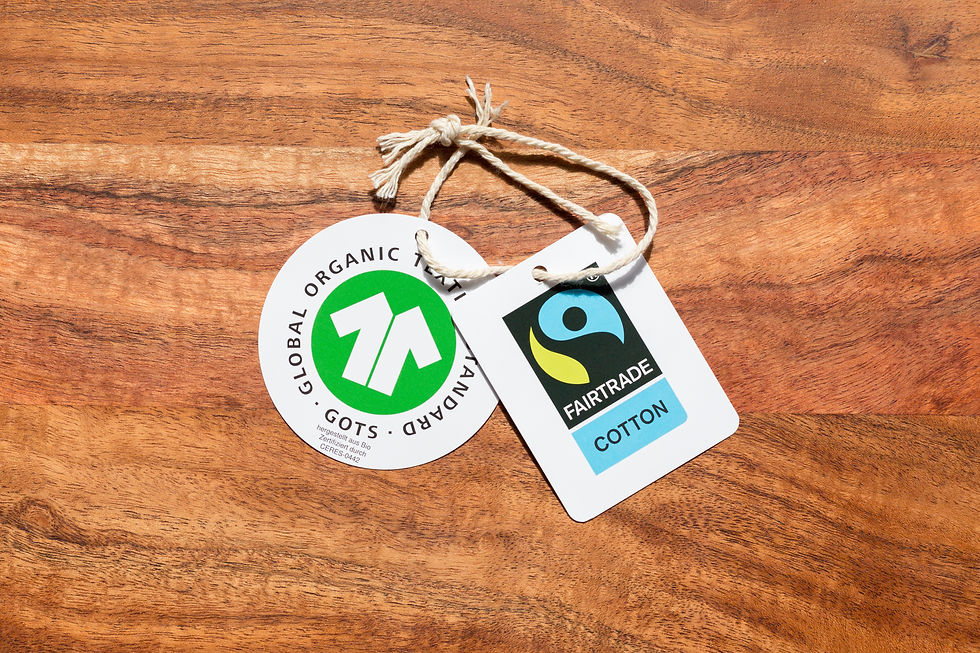
Not all sustainability claims are created equal. Look for legitimate certifications that verify environmental and social responsibility claims. Global Organic Textile Standard (GOTS), OEKO-TEX, and Cradle to Cradle certifications provide third-party verification of sustainability claims.
These certifications ensure that sustainable materials meet strict environmental and social criteria throughout the supply chain. They provide confidence that your sustainability claims are backed by verified practices.
However, don't let perfect be the enemy of good. Incremental improvements toward sustainability create genuine impact even without full certification.
Sustainable Design Principles
Sustainable design goes beyond material choice to consider longevity and versatility. Classic cuts and timeless designs remain relevant longer than trendy alternatives. Neutral colors and versatile styling ensure apparel gets maximum wear across different contexts.
Consider modular design approaches where basic items can be mixed and matched. A sustainable apparel program might include a core t-shirt design with seasonal additions rather than completely new collections each year.
Avoid over-designing. Simple, clean designs often age better and appeal to wider audiences, maximising the useful life of each piece.
Communicating Your Sustainability Story
Sustainability efforts only create business value if your audience knows about them. However, avoid "greenwashing"—exaggerating or misrepresenting environmental benefits. Be specific and honest about your sustainability practices.
Focus on tangible benefits: "Made from 50% recycled materials," "Produced locally to reduce transportation emissions," or "Designed for durability to reduce waste." Specific claims resonate better than vague environmental messaging.
Consider including care instructions that extend apparel life. Proper washing and storage can significantly increase garment longevity, multiplying the environmental benefits of sustainable materials.
Sustainable Packaging and Fulfillment
Sustainability extends beyond the apparel to packaging and shipping. Recycled and biodegradable packaging materials, minimal packaging design, and efficient shipping practices all contribute to environmental impact reduction.
Consider packaging that serves multiple purposes or can be reused by recipients. Attractive, functional packaging reduces waste while enhancing brand perception.

Local fulfillment reduces shipping distances and emissions. When possible, consolidate orders to minimise packaging and transportation impact.
Building Sustainable Supplier Relationships
Sustainable apparel requires sustainable partners. Work with suppliers who share your environmental values and can provide transparency about their practices.
Ask specific questions about material sourcing, manufacturing processes, waste management, and labor practices. Suppliers committed to sustainability will be transparent about their efforts and challenges.
Long-term partnerships enable continuous improvement in sustainability practices. Working collaboratively with suppliers often yields better environmental outcomes than constantly switching for marginal cost savings.
Measuring and Improving Sustainability Impact
Track meaningful sustainability metrics: material composition, production location, transportation distances, and product lifespan. These measurements help you understand and communicate your environmental impact.
Set improvement goals and measure progress over time. Small, consistent improvements often deliver more impact than dramatic one-time changes.
Consider lifecycle assessments for major apparel programs. Understanding the total environmental impact helps prioritize the most effective sustainability improvements.
Employee and Customer Engagement
Sustainable apparel programs often increase employee pride and customer loyalty. When team members wear apparel that reflects their environmental values, engagement and satisfaction improve.
Use sustainable apparel as an opportunity to educate and engage. Share the story behind material choices, highlight local production benefits, and celebrate environmental achievements.
Customer feedback on sustainability efforts often reveals additional opportunities for improvement and helps refine messaging for maximum impact.
The AllStar Sustainable Advantage
We're committed to helping Australian businesses reduce their environmental impact without compromising on quality or breaking budgets. Our sustainable apparel options include verified materials, local production, and water-based printing processes.
From material selection through final delivery, we'll help you make choices that align with your environmental values while delivering the professional results your brand demands.
Start Your Sustainable Journey
Sustainable apparel isn't about perfect—it's about better. Every improvement in materials, processes, or design contributes to genuine environmental impact while often delivering superior products and stronger brand positioning.
Explore sustainable options for your brand and discover how environmental responsibility can enhance your apparel program.


Comments